WELCOME TO THE CANADIAN-POLISH CLUB
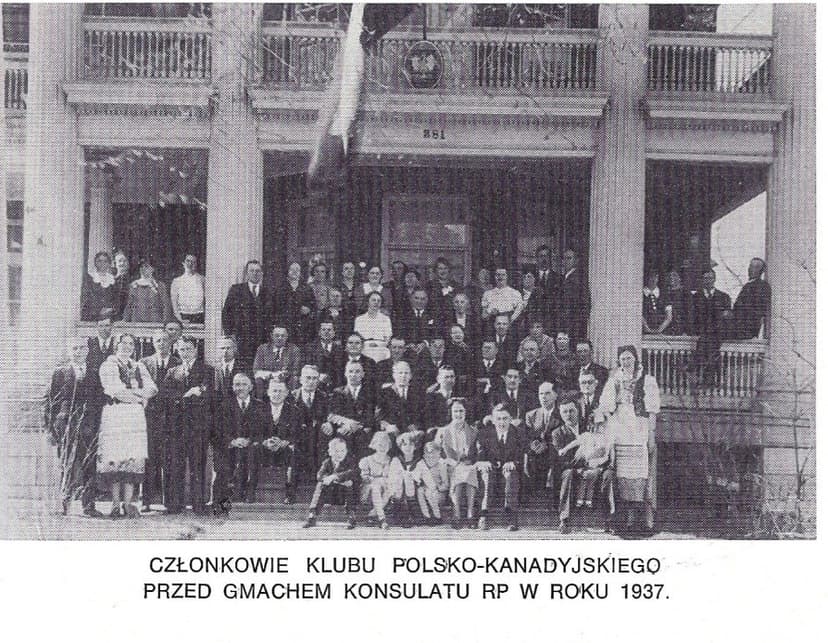 The oldest Polish community organization in Canada's capital. Founded on December 13, 1936, it served for many years as the sole Polish organization in the region. From the very beginning, the Club has been deeply rooted in a strong connection to Poland and dedicated to promoting historical truth, preserving Polish heritage, and upholding Poland's good name within the broader Canadian society. Throughout its history, the Club has taken on the responsibility of representing the Polish community with integrity and purpose—working constructively with residents and Canadian authorities while adapting to changing social and historical circumstances.
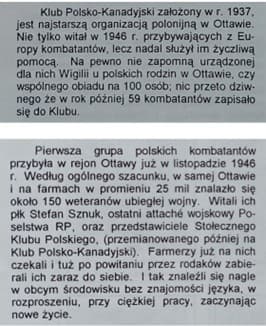 These guiding principles are reflected in the Club’s statutes: first adopted in 1937, modernized in 1979, and most recently updated in 2021 to respond to contemporary community needs. Across generations, members have remained committed to these values despite significant changes in membership. Over the decades, the Club has welcomed Polish professionals arriving during the Second World War, political refugees and veterans in the postwar period, and later waves of immigrants from Poland. Membership has evolved, ranging from approximately 60 members before the Second World War to about 100 members in the late 1940s. In 1963, the Club counted 32 members. Today, the Canadian-Polish Club continues to grow, with more than 50 members, building on its rich legacy while looking confidently toward the future.
THE HISTORY OF THE CANADIAN-POLISH CLUB
Reflects different areas of activity: internal social, cultural, and quasi-diplomatic. It focuses on initiatives undertaken on behalf of the Polish community and supporting Polish causes. While the full scope of these activities is extensive, the following highlights those that had a lasting impact on the local Polish community or were of broader significance.
WWII Efforts
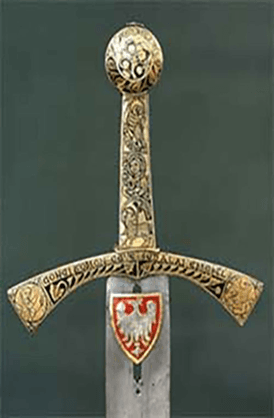
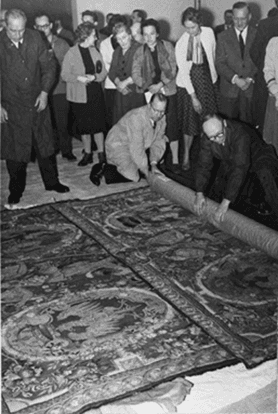
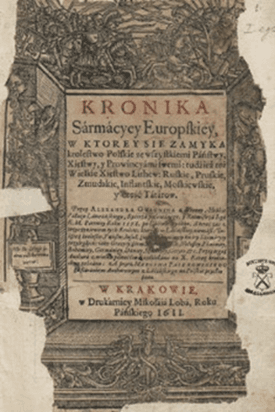
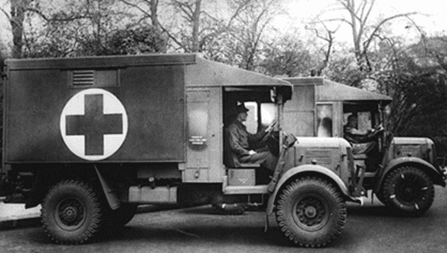 During the Second World War, Club members regularly supported the Polish Red Cross and the National Defence Fund, financed the purchase of an ambulance for Polish divisions fighting in France, assisted Polish refugees in Romania and Portugal, and provided aid to Polish prisoners of war held in German camps. Younger members volunteered for the Polish Armed Forces fighting under Allied command. In Canada, Club members (Mr. and Mrs. Ruebenbauer) played a leading role in safeguarding and preserving the priceless Wawel Treasures, which arrived in a convoy in July 1940. The chests containing the materials were transferred to the Bank of Montreal’s Vault in Ottawa. They included manuscript materials, the Coronation Sword of the Polish Kings (Szczerbiec), the Gutenberg Bible, and thirty-two original manuscripts of Chopin’s compositions, as well as other items.
POST-WAR MILESTONES
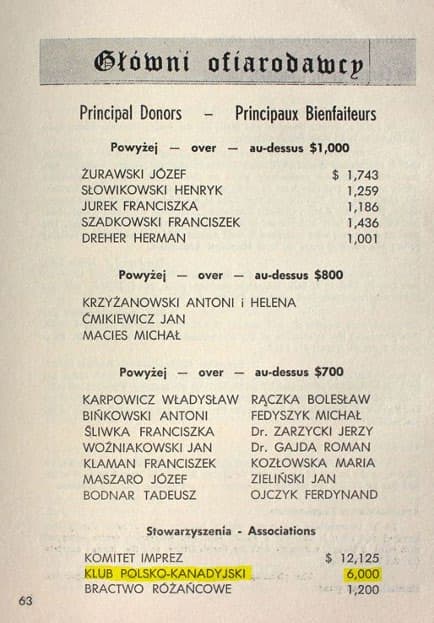
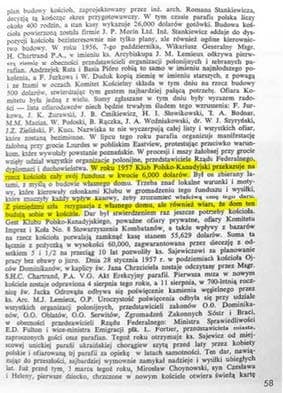
In 1957-59, working with the Polish Combatants’ Association, the Club helped establish a Polish parish in Ottawa and contributed significantly to the construction of its church.
1966–1969 Commemorating Poland’s Christian Millennium, Club members organized several cultural and educational initiatives in Ottawa. Their advocacy also led to the creation of a substantial Polish-language collection at the Ottawa Public Library.
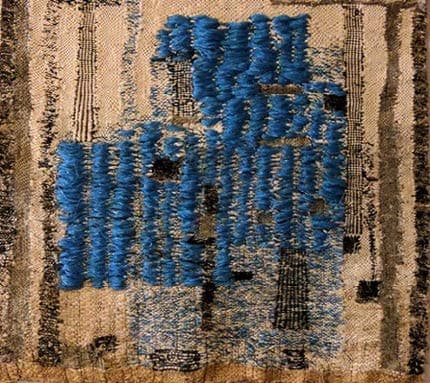
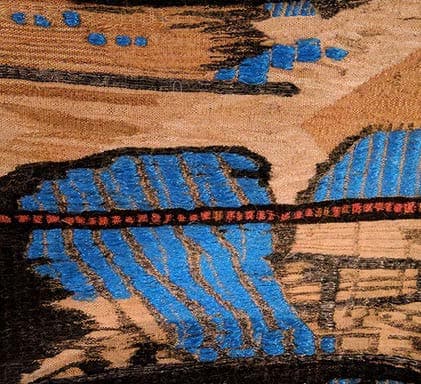
In 1969, celebrating the opening of the National Arts Centre, the Club donated two wall tapestries designed by Polish artist Jolanta Owidzka.
1970–1975
The Club coordinated several exhibitions: the Polish Underground State and the Warsaw Uprising, Polish Western Lands, Kashubian folk art. Cooperation with the Ottawa Museum of Man highlighted Poles' contributions to Canada’s cultural heritage (folk costumes, woodcuts, and a nativity scene (szopka)), curated by Zofia Ruebenbauer. It also supported major exhibitions at the National War Museum and helped establish a Polish section at the National Museum of Man with valuable donations.
During this period, the National Arts Centre hosted the “Christmas Tree Presentation” on three occasions, with Polish participation coordinated by Club members. The Club participated in organizing Ottawa’s celebrations marking the 500th anniversary of Nicolaus Copernicus's birth. In 1974, in cooperation with the Polish School Club, it organized the “Workshop Heritage Ontario”.
1980
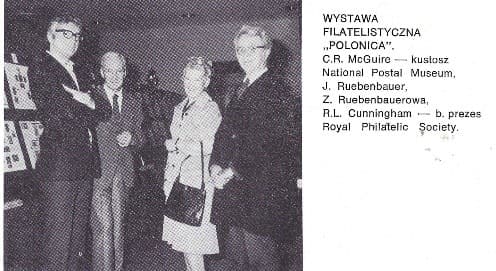 A public ethnographic and philatelic exhibition of Polonica was organized for a wider audience.
1981
The Club took part in a national fundraising effort in support of the Solidarity movement in Poland.
2000s
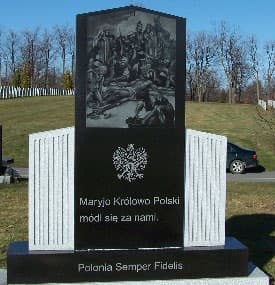 2000-2001 Club members Barbara Rudak and Agnes Warda worked with the Beechwood Cemetery Foundation to secure favourable terms and an honorary agreement reserving Section 110, Plot 11 for exclusive use by the Polish community. The initiative was endorsed by the KPK Ottawa’s Board and delegates.
2020: A New Chapter
For many years, the Polish National Unity and the Polish-Canadian Club shared similar goals and collaborated frequently. On October 17, 2020, members of both organizations voted to form the new Club, preserving the goals and structure of its predecessors.